Aeschylus
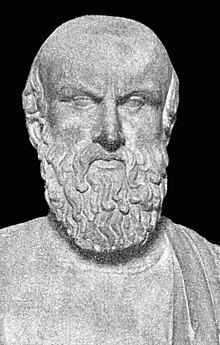
Aeschylus
was an ancient Greek tragedian. He is also the first whose plays still survive;
the others are Sophocles and Euripides. He is often described as the father of
tragedy: critics and scholars' knowledge of the genre begins with his work, and
understanding of earlier tragedies is largely based on inferences from his
surviving plays. According to Aristotle, he expanded the number of characters
in theater to allow conflict among them, whereas characters previously had
interacted only with the chorus.
Sophocles
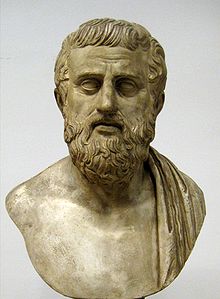
Sophocles
is one of three ancient Greek tragedians whose plays have survived. His first
plays were written later than those of Aeschylus, and earlier than or contemporary
with those of Euripides. Sophocles wrote 120 plays during the course of his
life, but only 7 have survived in a complete form: Ajax, Antigone, The Women of
Trachis, Oedipus the King, Electra, Philoctetes and Oedipus at Colonus. For
almost 50 years, Sophocles was the most-fêted playwright in the dramatic
competitions of the city-state of Athens that took place during the religious
festivals of the Lenaea and the Dionysia. He competed in 30 competitions, won
18, and was never judged lower than second place. Aeschylus won 14
competitions, and was sometimes defeated by Sophocles, while Euripides won 5
competitions.
The
most famous tragedies of Sophocles feature Oedipus and also Antigone: they are
generally known as the Theban plays, although each play was actually a part of
a different tetralogy, the other members of which are now lost. Sophocles
influenced the development of the drama, most importantly by adding a third
actor, thereby reducing the importance of the chorus in the presentation of the
plot. He also developed his characters to a greater extent than earlier
playwrights such as Aeschylus
Euripides

Euripides
was a tragedian of classical Athens. He is one of the few whose plays have
survived, with the others being Aeschylus, Sophocles, and potentially
Euphorion.
Euripides
is identified with theatrical innovations that have profoundly influenced drama
down to modern times, especially in the representation of traditional, mythical
heroes as ordinary people in extraordinary circumstances. This new approach led
him to pioneer developments that later writers adapted to comedy, some of which
are characteristic of romance. Yet he also became "the most tragic of
poets", focusing on the inner lives and motives of his characters in a way
previously unknown.
He
was also unique among the writers of ancient Athens for the sympathy he
demonstrated towards all victims of society, including women. His conservative
male audiences were frequently shocked by the 'heresies' he put into the mouths
of characters, such as these words of his heroine Medea:
Sooner
would I stand
Three
times to face their battles, shield in hand,
Than
bear one child!
His
contemporaries associated him with Socrates as a leader of a decadent
intellectualism, both of them being frequently lampooned by comic poets such as
Aristophanes. Whereas Socrates was eventually put on trial and executed as a
corrupting influence, Euripides chose a voluntary exile in old age, dying in
Macedonia.
Tragedy: Catharsis
drama(classical
Greek drama): narrative, fictional, in performance: tragedy, comedy, satyr play
eg
for satyr play: mortal mother(emmele: Dionysus's mother); patroness 主保神of
Athens: Athena
innovation;
rennovation
be
credited with
Peloponnesian
War
vok,
voc: to call
provoke
invoke
Ancient
Athenian Drama
the
nature of justice
the
meaning of suffering
clashes
between family and state and between human and divine perspective
inauguration
Dionysus(Greek
name)
Bacchus(Roman
name)
The
Great Gastby(In the Begining Paragraph 1)
snob
there
was something gorgeous about him
vulnerable
temperament
cocky→Oedipus(king
of Thepis)
plague
Kreon(Creon)
footnote
逆著性子做事,順著天意

沒有留言:
張貼留言